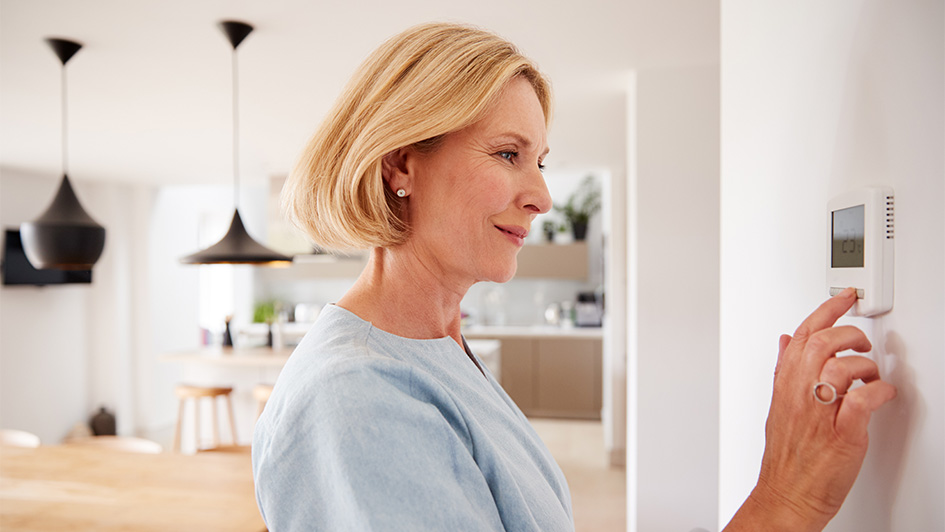
The hot and humid summers in Covington, Georgia, can get muggy and uncomfortable. You change the thermostat to a pleasant temperature. The air conditioning kicks on as expected. But, even after your AC runs, your home still feels damp and sticky.
Now, you’re cool and damp.
It can be annoying when the air conditioner seems to be doing its job, yet your home doesn't actually feel pleasant. If your rooms feel humid but thermostat says cool, you're not the only homeowner. Local homeowners often have this experience.
Why is this? Temperature and humidity are two different factors in indoor comfort. A temperature only tells you how warm or cool the air is within your home. It doesn't measure the amount of moisture in the air. When moisture levels are very high, your home can feel much hotter than the thermostat indicates, due to indoor humidity problems.
In this article, you'll learn how humidity affects your comfort, common reasons your home feels humid even when the temperature is correct and simple troubleshooting steps you can try to reduce humidity in your Covington, Georgia, home. That way, you’ll know when to reach out to experts like the team at Covington Air Systems for support.
Why a Home Can Feel Humid Even When the Temperature Is Nice and Cool
The temperature is only part of what makes your living space enjoyable. Humidity is an extremely important element to consider. Many homes are generally more comfortable when indoor relative humidity falls 30-50 percent. When a home has high indoor humidity, the air feels warmer, heavier and stickier—even if the actual air temperature is cool.
Too much indoor moisture can also encourage dangerous mold growth, mildew, musty odors and other indoor air quality issues. That's why your house feels humid but the AC is running—your system may be lowering the temperature of the air without extracting enough moisture.
Home Feels Humid? Here are 8 Common Causes
Making your home in Covington, Georgia, excess moisture can be a frequent concern.
Countless area homeowners deal with the same question: Why does my home feel so humid?
There could be multiple reasons. Understanding what's creating high idoor humidity is the best place to start toward fixing the problem.
Let's look at several common reasons for elevated indoor humidity in Covington, Georgia:
1. AC is Too Large
An AC that's bigger than your home needs cools your home too quickly. The problem is an oversized AC often doesn’t reduce humidity effectively because it shuts off before completing a complete cooling cycle.
2. Dirty Air Filter
A clogged air filter reduces airflow throughout your heting and cooling system. This makes it challenging for your equipment to control humidity while cooling your home.
3. Clogged Condensate Drain
Your air conditioner pulls out moisture from your home’s air and that excess water drains from the unit through a condensate line. If that drain becomes blocked, moisture can't drain from the system properly, contributing to increased humidity levels.
4. Dirty Evaporator Coil
The evaporator coil extracts both heat and moisture from your home's indoor air. Dirt buildup on the coil limits its effectiveness and often requires professional AC repair services to restore performance.
5. Damaged Ductwork
Ductwork transports cool air throughout your home. Openings in ductwork can draw warm, humid air from attics, crawl spaces or other unused areas into your HVAC system. This extra moisture makes it harder to maintain comfortable humidity levels.
6. Thermostat Fan Set to “On” Switch to “Auto”
If your thermostat fan is set to "On" instead of "Auto", the blower keeps running after the cooling cycle is finished. This can circulate moisture collected on the evaporator coil back into your home instead of giving it time for it to drain away.
7. Exceptionally Humid Weather
During the area’s extremely humid and hot summers, your HVAC system has to run longer to remove moisture from the air. Even when your air conditioning is functioning as designed, sometimes your home feels muggy because outdoor humidity continues to seep into your home through doors, windows and normal air leakage.
8. Older HVAC Equipment
As heating and cooling systems age, they often become less capable at controlling humidity. HVAC maintenance improves performance, increases efficiency and helps identify worn-out parts. Neglecting regular air conditioning maintenance can decrease performance, including your system's ability to control moisture.
Things to Check Before Calling an HVAC Technician
If your house feels humid, there are some simple things you can check before booking service. These simple troubleshooting steps are easy ways to improve indoor comfort by helping your heating and cooling system remove moisture more effectively.
- Check your HVAC air filter. A clean HVAC air filter allows proper airflow, helping your system condition and dehumidify your home better.
- Make sure the thermostat fan is set to Auto. This allows moisture to drain away after each cooling cycle instead of being circulated back into your living spaces.
- Check to ensure your supply and return vents are open and not covered up. Rugs or furniture over the vents or closed vents can limit airflow throughout your home.
- Check for water around the indoor unit. Water near your AC equipment may signal a clogged condensate drain or another drainage issue.
- Know how your air conditioner should run. If the AC is short cycling or turning on and off frequently, or it seems to run constantly without cooling your home, it's time to have the system evaluated by a professional.
Even if your thermostat still says cool but house feels humid, do not perform repairs with refrigerant, electrical components or internal HVAC parts. Do-it-yourself fixes may be tempting, but these repairs require advanced training and should always be left to a qualified HVAC technician.
Could You Benefit from a Whole-Home Dehumidifier?
If you deal with humidity in your house during summer or year-round moisture problems, a whole-home dehumidifier may be the right choice. Compared with portable units that only help reduce moisture in one room or area, a whole-home dehumidifier connects to your HVAC system to reduce humidity throughout your entire house.
Just one of Covington Air Systems's indoor air quality solutions, a whole-home dehumidifier makes your home more comfortable while reducing the risk of mold, musty odors and excess moisture. It can be especially helpful for homes in damp climates or properties that continue to have humidity even with a properly functioning air conditioner.
When It's Time to Schedule HVAC Service
Ongoing HVAC humidity issues often trace back to an hidden problem that needs professional repair. The technicians at Covington Air Systems will evaluate refrigerant charge, airflow, blower performance and evaporator coils to find why your system isn't controlling humidity effectively. They can also inspect ductwork, condensate drainage and overall system sizing to pinpoint the root cause.
We also can get you scheduled for an HVAC tune-up. Seasonal seasonal tune-ups help find small problems before they become potentially expensive repairs. That's why Covington Air Systems offers an HVAC maintenance plan that makes regular inspections cost-effective and hassle-free.
If simple troubleshooting doesn't fix the home’s humidity issues, trust Covington Air Systems for dependable HVAC service in Covington, Georgia.
Schedule HVAC service online or call 770-766-8015 today to restore your comfort.